Seasonal Plant Care: Preparing Your Office Greenery for Spring


Understanding the Needs of Your Office Plants
As spring approaches, it's essential to adjust the care routine for your office plants. The change in season brings longer daylight hours and increased temperatures, which can significantly affect your greenery. Understanding these needs is the first step in preparing your office plants for a thriving spring.
Most office plants are resilient, but they require specific conditions to flourish. Increased light exposure and warmer temperatures mean it's the perfect time to reevaluate how much water and nutrients your plants need. Adjusting these factors will ensure your plants remain healthy and vibrant throughout the season.

Evaluating Light and Space
During winter, many plants can tolerate lower light levels. However, as spring arrives, it's crucial to reassess their placement. Ensure your plants receive enough sunlight by moving them closer to windows or into brighter areas of the office. If relocation isn't possible, consider using artificial lights to supplement natural sunlight.
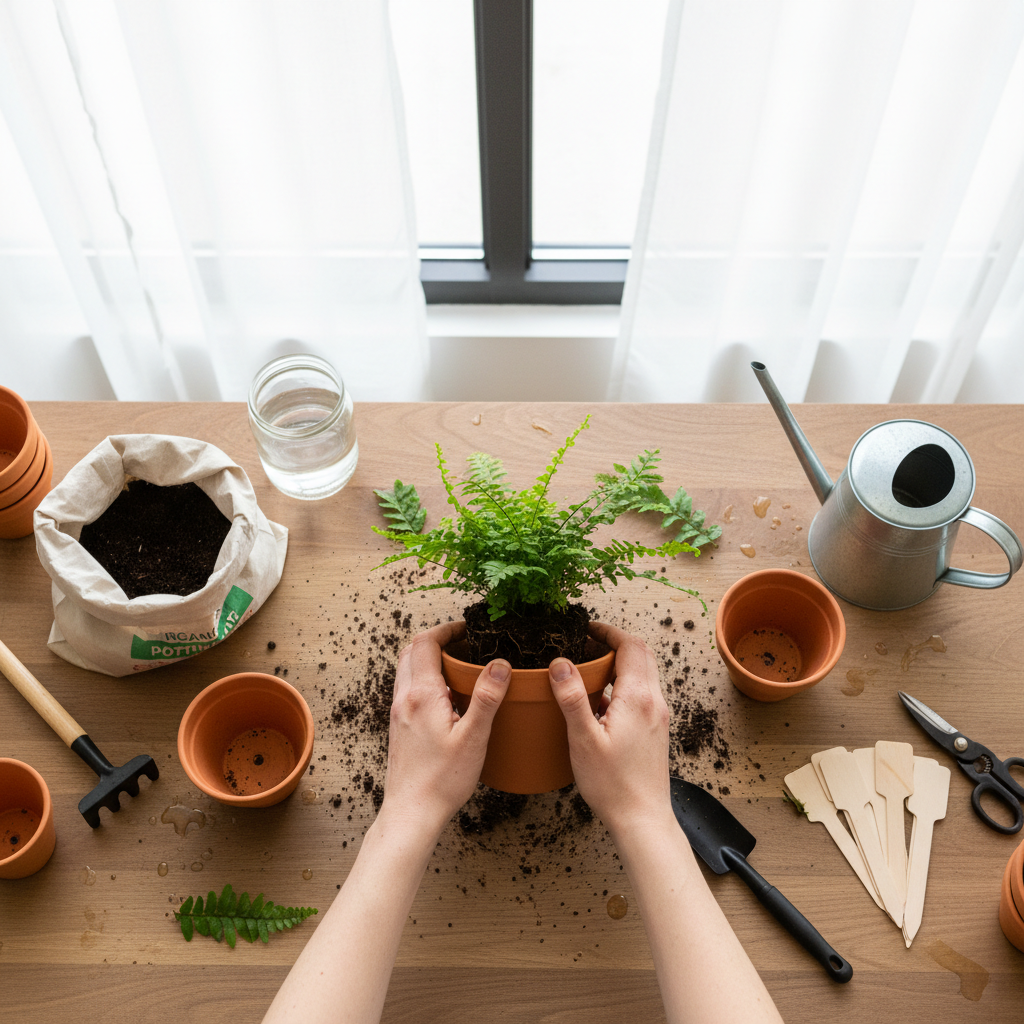
Additionally, spring is an excellent time to check if your plants have outgrown their current pots. If roots are visible or the plant appears cramped, it may be time to repot. This will provide more space for growth and help your plants absorb nutrients more effectively.
Watering and Feeding
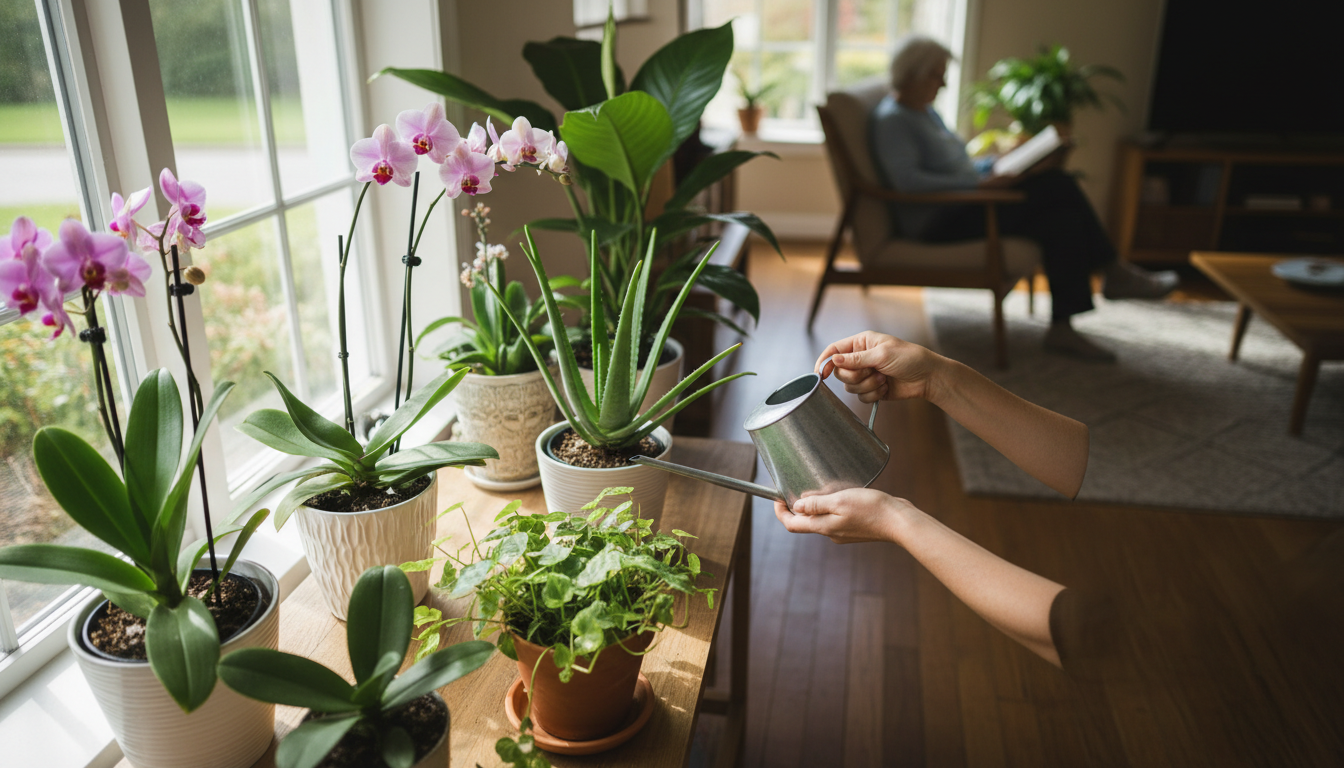
With increased light and warmth, your plants may require more water. However, be cautious of overwatering, as this can lead to root rot. A good rule of thumb is to water when the top inch of soil feels dry. Adjust the frequency based on the specific needs of each plant species.
Spring is also a great time to start feeding your plants. Use a balanced liquid fertilizer every few weeks to provide essential nutrients. This helps support new growth and replenishes any nutrients depleted during the winter months.
Pruning and Cleaning
Pruning is a vital part of plant care as it promotes new growth and maintains the plant's shape. Trim away any dead or yellowing leaves to direct the plant's energy toward healthy growth. Regular pruning can also help prevent pests and diseases from taking hold.
Dust can accumulate on leaves, reducing the plant's ability to photosynthesize. Gently clean the leaves with a damp cloth or give them a quick shower to remove any buildup. This will help your plants breathe and absorb sunlight more effectively.
Monitoring for Pests
Spring can also bring an increase in pests, so it's essential to monitor your plants closely. Check the undersides of leaves and stems for any signs of insects or disease. Early detection is key to preventing infestations from spreading.
If you notice any pests, treat your plants promptly with an appropriate pesticide or natural remedy. Regular inspections and maintenance will keep your office greenery healthy and free from unwanted visitors.
Conclusion
Preparing your office plants for spring involves a few simple adjustments in care routines. By evaluating light and space, adjusting watering and feeding, maintaining cleanliness, and staying vigilant against pests, you can ensure your office greenery thrives. Embrace the new season with vibrant, healthy plants that enhance your workspace.